
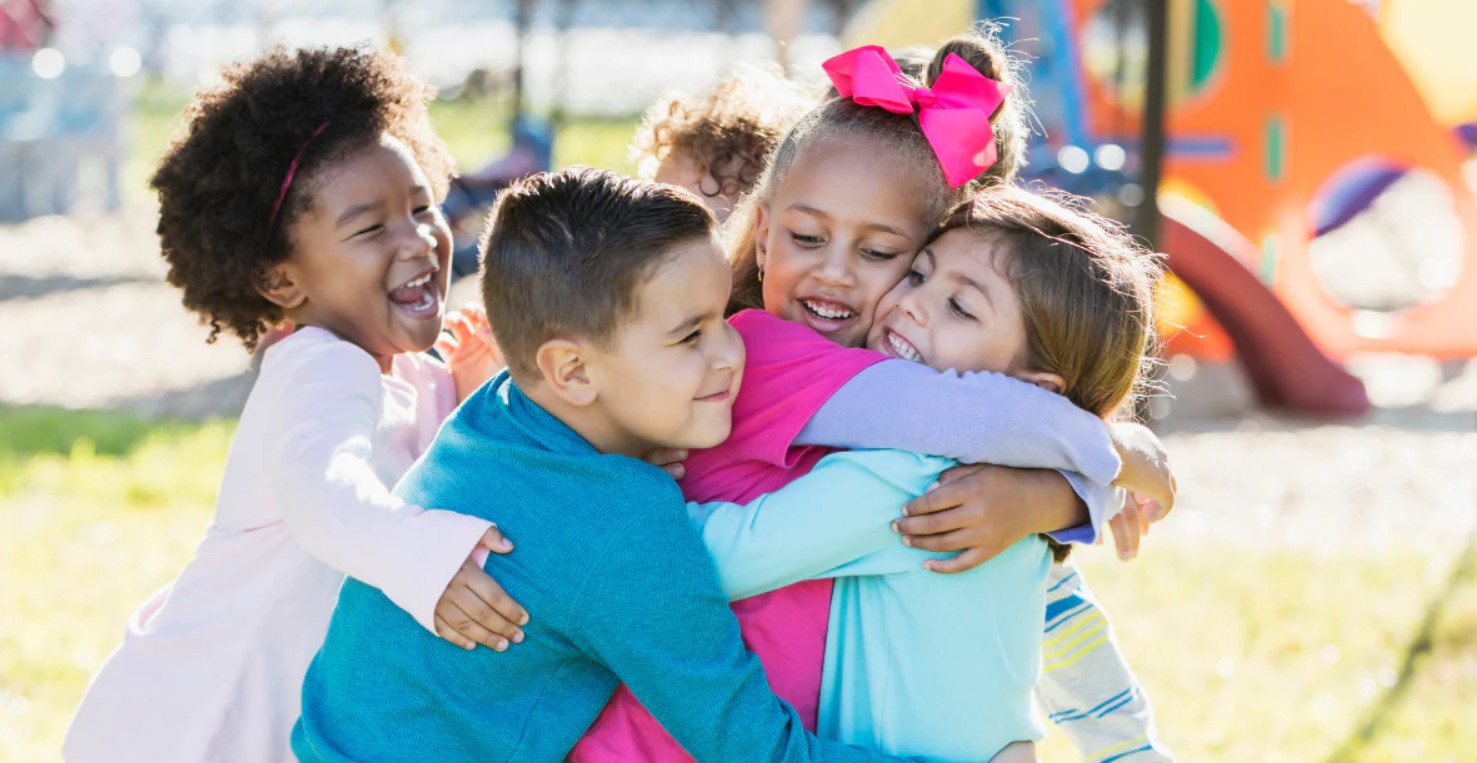
In the early years, children learn far more than letters and numbers — they learn how to understand themselves and connect with others. That’s the heart of social–emotional learning in Bellevue early childhood programs. When children develop empathy, learn to share, and practice friendship, they build skills that last a lifetime.
At Lil’ People’s World, we nurture the whole child. Our classrooms are safe spaces where children explore emotions, relationships, and problem-solving through play, stories, and daily routines.
What Is Social–Emotional Learning?
Social–emotional learning (often called SEL) helps children understand their feelings, manage emotions, and build positive relationships. It’s just as important as academic learning — maybe even more so in the early years.
When children feel secure, valued, and capable, they are more ready to learn. That’s why social–emotional learning in Bellevue is at the core of every Lil’ People’s World classroom.
The Key Components of SEL
Strong SEL programs focus on five foundational skills:
- Self-awareness – Recognizing one’s own feelings and strengths.
- Self-regulation – Learning how to calm down and express emotions appropriately.
- Social awareness – Understanding how others feel and showing empathy.
- Relationship skills – Practicing cooperation, turn-taking, and teamwork.
- Responsible decision-making – Learning how actions affect others.
Our teachers weave these skills into every interaction — from morning greetings to playtime and group projects.
Teaching Empathy Through Everyday Moments
Empathy begins with understanding others’ emotions. Toddlers and preschoolers are just beginning to recognize how their actions affect friends and teachers.
Our teachers model empathy daily by using gentle voices, offering comfort, and naming emotions out loud: “I see you’re sad because your block tower fell. That was hard work!”
Through this kind of language, children learn to connect feelings with experiences — a crucial step in building compassion and self-awareness.
Encouraging Sharing and Cooperation
Sharing doesn’t come naturally for most young children, but it can be taught with patience and consistency.
During social–emotional learning in Bellevue classrooms, we create activities that promote teamwork, such as building together, cooking projects, or dramatic play.
Teachers guide children in using phrases like “Can I have a turn when you’re done?” or “Let’s do it together!” These small interactions help build confidence, communication, and respect for others.
Friendship and Emotional Growth
Making friends is one of the biggest joys of early childhood — and one of the most important developmental milestones. Friendships teach cooperation, empathy, and problem-solving.
Our teachers help children navigate early friendships by:
- Encouraging inclusion during play.
- Helping children use words to solve conflicts.
- Celebrating kindness and teamwork.
When children feel supported in their relationships, they develop self-confidence and resilience that carry into elementary school and beyond.
The Role of Families in SEL
Social–emotional growth doesn’t stop at school — it continues at home. Families can nurture these skills by modeling calm communication, labeling emotions, and encouraging empathy during daily life.
For example, reading books about feelings or talking about kind acts can spark meaningful conversations. When children see empathy in action, they learn to practice it naturally.
How the Creative Curriculum Supports SEL
At Lil’ People’s World, our Creative Curriculum integrates social–emotional development into every part of the day. Teachers observe, reflect, and adapt lessons to meet each child’s needs — ensuring they feel understood and supported.
Whether through circle time discussions, collaborative play, or quiet reflection, our approach helps children grow emotionally strong and socially aware.
Visit Our Bellevue Early Learning Center
If you’re searching for a program that values social–emotional learning in Bellevue, you’ll find it at Lil’ People’s World. Our teachers use empathy, consistency, and play-based strategies to help children learn how to care for themselves and others.
Serving families in Bellevue, Kirkland, Redmond, and nearby Eastside communities, our family-owned center has supported whole-child development since 1993.


