
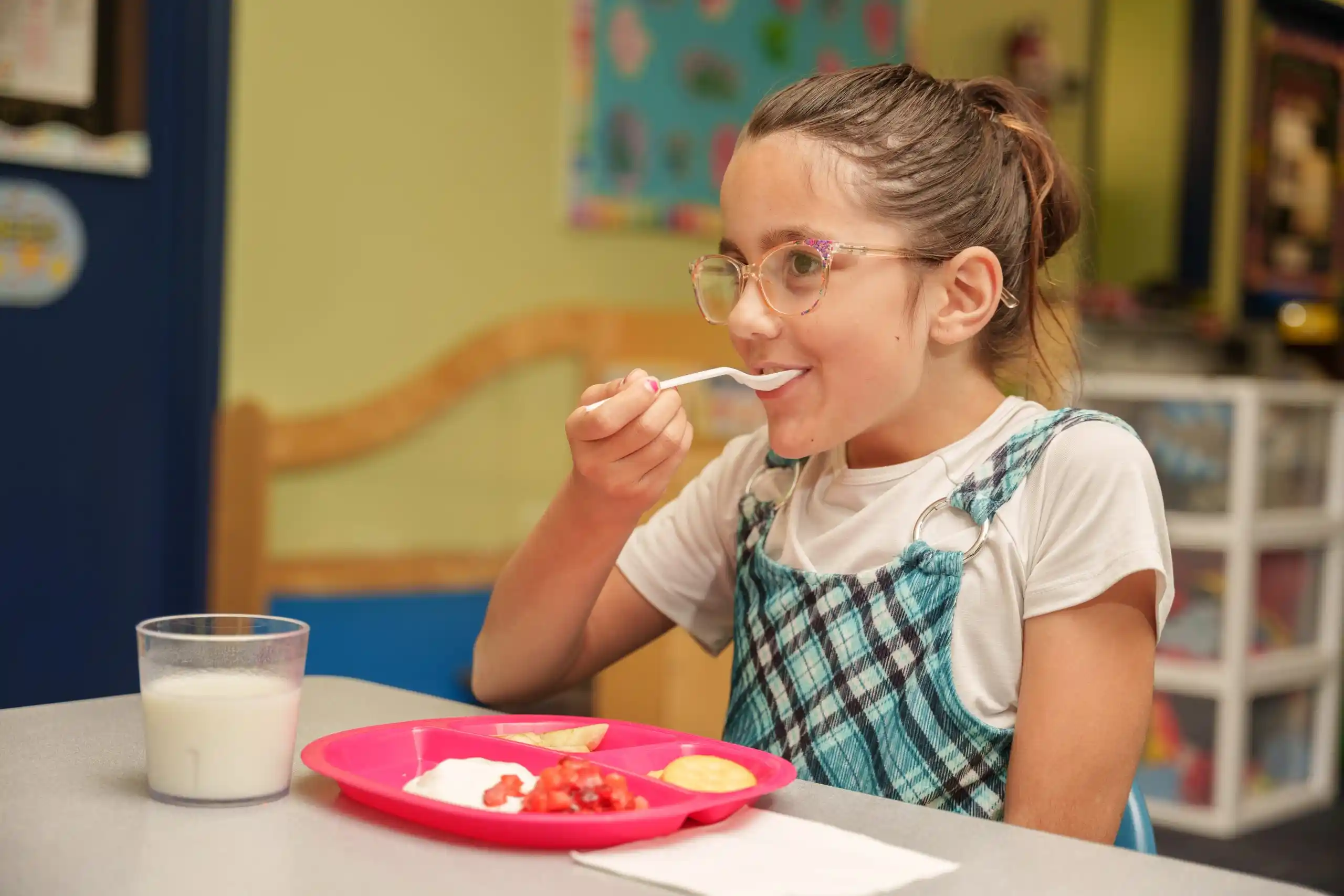
Watching a toddler learn alongside friends is pure joy. Suddenly, they share, giggle, and try new things together. This is the heart of toddler group learning, and it shapes growing minds in powerful ways.
At Lil’ People’s World, we see this magic every day. Our Seattle-area centers welcome curious little ones into warm, playful classrooms. Because of this, children build skills they carry for life.
So why does learning in a group matter so much? Let’s explore the benefits together. Along the way, we’ll share simple tips for families across Washington.
What Is Toddler Group Learning?
Toddler group learning happens when young children explore together. They play, sing, build, and discover side by side. Meanwhile, caring teachers guide each moment with intention.
This approach blends free play with gentle structure. Therefore, toddlers stay engaged without feeling pressured. They learn at their own pace within a supportive group.
Group settings differ from one-on-one learning at home. However, both have value, and the two work beautifully together. For example, a child may sing a new song at school, then sing it again for family.
Why Toddlers Thrive Around Peers
Toddlers are natural imitators. As a result, they copy peers who try new tasks. Watching a friend stack blocks inspires them to try too.
Additionally, group play sparks curiosity and confidence. Children feel proud when they contribute to shared activities. Because of this, they grow more willing to take small risks.
Social Skills Start Early
Social skills form the foundation for future learning. Moreover, toddlers begin practicing them long before kindergarten. Group learning gives them daily chances to connect.
For example, sharing a basket of toys teaches patience. Taking turns on a slide builds fairness. These tiny lessons add up quickly over time.
Our teachers model kind words and gentle actions. Then children mirror those habits with their friends. As a result, classrooms feel calm and caring.
Building Empathy and Friendship
Empathy grows when toddlers notice others’ feelings. For instance, a child may offer comfort to a crying friend. These moments matter deeply for emotional growth.
Friendships also blossom in group settings. Furthermore, early friendships help children feel safe and welcome. This sense of belonging supports stronger learning.
Language and Communication Grow Faster
Language explodes during the toddler years. Therefore, rich group conversations make a big difference. Children hear new words from peers and teachers all day.
Songs, stories, and circle time boost vocabulary. Meanwhile, simple back-and-forth chats teach conversation skills. Toddlers learn to listen, wait, and respond.
Group learning also encourages expression. For example, a shy child may speak up during a fun game. Over time, that confidence carries into new situations.
Practical Ways Families Support Language
Parents can build on classroom learning at home. Here are a few easy ideas:
- Narrate your day: Describe what you see and do.
- Read together daily: Point to pictures and ask questions.
- Sing songs: Repeat favorites from school often.
- Pause and listen: Give your toddler time to reply.
These small habits reinforce skills children practice in our classrooms. As a result, learning feels seamless between home and school.
Cognitive Development Through Shared Play
Play is how toddlers learn best. However, group play adds even more value. Children solve problems together and think in new ways.
For instance, building a tall tower takes teamwork. One child holds blocks while another stacks. Then they cheer when the tower stands.
This kind of play builds early math and science skills. Toddlers count, sort, and notice patterns naturally. Because of this, learning feels like pure fun.
Hands-On Discovery
Our play-based curriculum invites hands-on exploration. Children paint, dig, pour, and create together. Meanwhile, teachers ask open-ended questions to spark thinking.
Group projects also teach focus and follow-through. Additionally, children learn to finish what they start. These habits support future school success.
Independence and Routine
Toddlers crave both freedom and structure. Therefore, a gentle daily routine helps them feel secure. Group settings offer predictable rhythms each day.
Knowing what comes next reduces stress. For example, snack time always follows clean-up. As a result, toddlers feel calm and ready to learn.
Routines also build independence. Children learn to wash hands and put away toys. Over time, these self-help skills grow stronger.
Group Learning in the Seattle Area
Families across Washington value strong early learning. Indeed, the Seattle area offers many wonderful resources for young children. Our centers proudly serve this vibrant community.
Lil’ People’s World has locations in North Seattle, Bellevue, and Kirkland. Therefore, families across the region can find care close to home. Each center feels like a child’s home away from home.
Our Bellevue location offers a newly expanded infant and toddler program. Families in Bellevue, Kirkland, and Redmond appreciate this growing space. You can explore our programs and locations here.
Why Local Families Choose Group Programs
Seattle-area parents often juggle busy schedules. As a result, flexible, nurturing care matters a great deal. Group programs provide consistent learning and connection.
Moreover, our teachers know the local community well. They create experiences that feel familiar and welcoming. Children feel at ease from their very first day.
How to Choose the Right Toddler Program
Choosing care is a big decision. However, a few key questions make it easier. Use these tips during your search.
- Observe the classroom: Look for happy, engaged children.
- Ask about curriculum: Seek a play-based approach.
- Meet the teachers: Notice warmth and patience.
- Check the routine: Confirm a predictable daily flow.
- Review safety: Ask about cleanliness and supervision.
For trusted guidance, review tips from the National Association for the Education of Young Children. Their resources help families make confident choices.
Want to see our classrooms in person? Schedule a tour at a Lil’ People’s World location near you. We would love to meet your family.
Frequently Asked Questions
At what age can toddlers benefit from group learning?
Toddlers benefit from group settings early. Generally, children gain a lot between ages one and three. They learn social and language skills through daily play.
Will my toddler get enough individual attention?
Yes, quality programs balance group and individual care. Our teachers maintain low ratios and watch each child closely. Therefore, every toddler receives warm, personal support.
How does group learning help with kindergarten readiness?
Group learning builds social and self-help skills. Additionally, children practice listening, sharing, and routines. These habits make the kindergarten transition smoother.
What if my child is shy in groups?
Shy children often blossom over time. Meanwhile, caring teachers offer gentle encouragement. As a result, confidence grows at the child’s own pace.
Do you offer flexible scheduling for working families?
Yes, we understand busy family life. Therefore, we offer flexible scheduling across our centers. Contact our team to discuss your needs.
Give Your Toddler a Joyful Start
Group learning shapes happy, confident children. Through play and friendship, toddlers grow in wonderful ways. At Lil’ People’s World, we nurture that growth every day.
Our caring teachers create a warm, playful home away from home. Furthermore, our Seattle-area centers welcome families with open arms. We treat each child as part of our family.
Ready to learn more about our toddler programs? Contact the Lil’ People’s World team today. We are excited to welcome your little one.


