
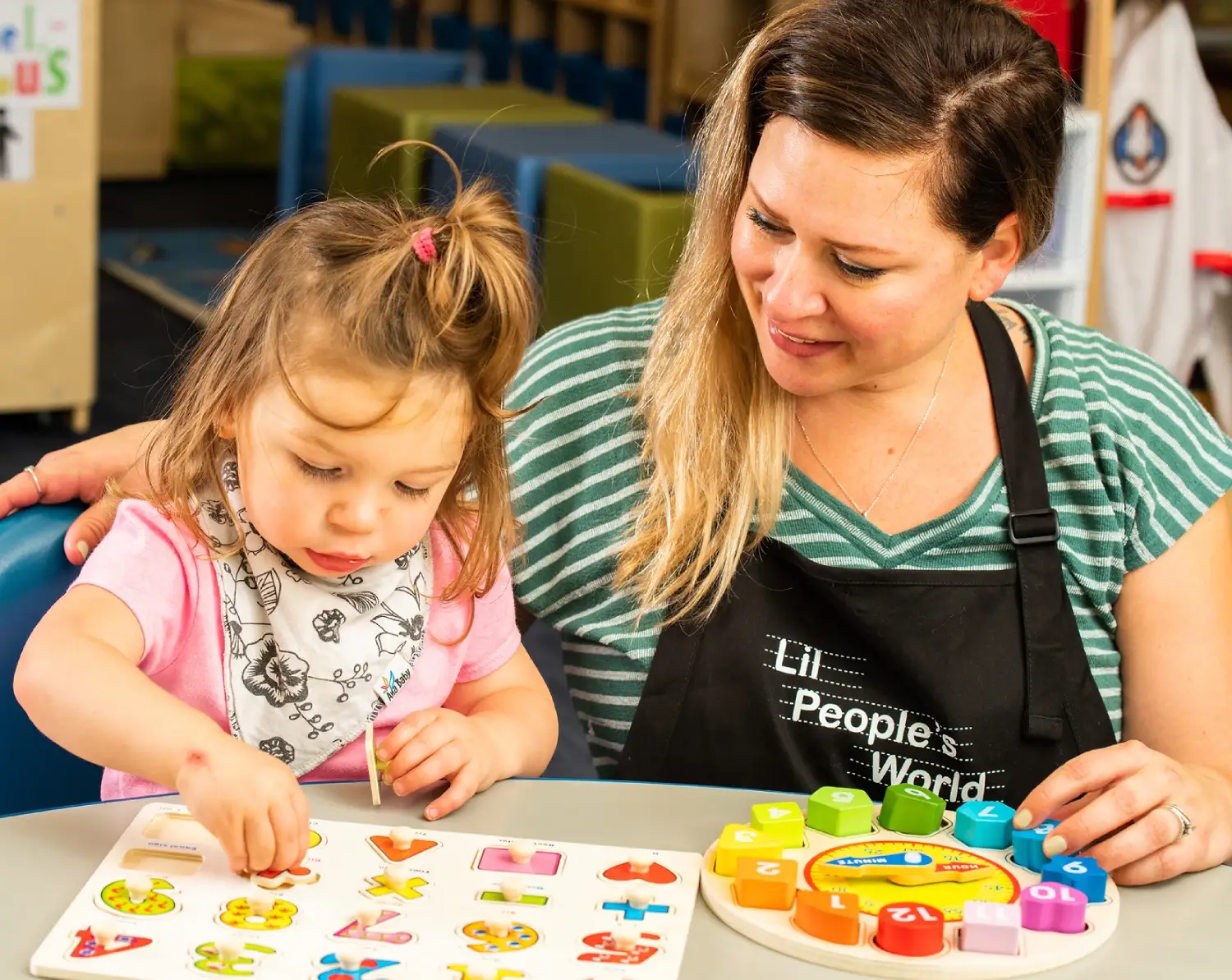
Have you ever wondered what really happens during preschool learning? Many Seattle-area parents ask this exact question. The truth is simple yet powerful.
Preschool gives young children far more than coloring pages and snack time. In fact, it builds the foundation for school and life. At Lil’ People’s World, we see these moments every day.
Therefore, this guide explains what children actually learn in preschool. Additionally, we share practical tips for families across Seattle, Bellevue, Kirkland, and North Seattle.
Why Preschool Learning Matters So Much
The early years shape the brain in remarkable ways. Because of this, every experience counts. Young children absorb language, emotions, and skills quickly.
Moreover, preschool offers structure that home alone cannot always provide. Children learn to follow routines and work with others. As a result, they feel ready for kindergarten.
Play sits at the heart of this growth. For example, building blocks teach math and balance. Meanwhile, pretend play builds language and imagination.
The Power of Play-Based Learning
At our centers, we believe children learn best through play. However, this play is purposeful, not random. Our teachers plan activities with clear goals.
For instance, a sand table teaches measurement and texture. Then, a story circle builds listening skills. Each activity supports development in fun ways.
Social and Emotional Skills
Preschool often marks a child’s first big social step. Therefore, social growth becomes a major focus. Children learn to share, wait, and take turns.
Additionally, they discover how to name their feelings. This skill is called emotional regulation. In short, it helps children calm themselves and handle frustration.
Friendships also blossom during these years. As a result, children build confidence and empathy. These traits last a lifetime.
How Teachers Support Social Growth
Caring teachers guide every interaction gently. For example, they model kind words during conflicts. Then, they help children solve problems together.
- Sharing: Taking turns with toys and tools
- Cooperation: Working as a group on projects
- Empathy: Noticing how friends feel
- Independence: Trying tasks alone first
Because of this support, children grow into confident learners. Furthermore, they carry these skills into elementary school.
Early Literacy and Language
Language explodes during the preschool years. Therefore, teachers fill the day with words. They read stories, sing songs, and ask questions.
Children begin to recognize letters and sounds. Additionally, they learn that print carries meaning. These steps lead toward reading later.
Conversation matters just as much. For example, snack time becomes a chance to chat. Meanwhile, dramatic play stretches vocabulary naturally.
Simple Literacy Tips for Home
Parents can support reading skills easily. First, read together every day. Next, point to words as you go. Then, ask your child about the pictures.
You can also visit local libraries across the Seattle area. The Seattle Public Library offers wonderful story times for young children. As a result, reading feels joyful and shared.
Early Math and Thinking Skills
Math begins long before worksheets appear. In fact, preschoolers learn math through everyday play. They count, sort, and compare objects.
Additionally, children explore shapes and patterns. For example, they may sort blocks by color. Then, they line up toys from big to small.
Problem-solving also grows quickly. Meanwhile, puzzles teach patience and logic. These thinking skills support future learning.
Everyday Math Moments
You can build math skills at home too. Try these simple ideas during your day:
- Count stairs as you climb them
- Sort laundry by color or size
- Measure ingredients while cooking
- Spot shapes during a walk
Because math feels natural, children stay curious. Furthermore, they begin to see numbers everywhere.
Creativity and Self-Expression
Creativity fuels healthy development. Therefore, art and music fill the preschool day. Children paint, sing, dance, and build freely.
These activities do more than entertain. In addition, they strengthen fine motor skills. For example, holding a paintbrush prepares small hands for writing.
Self-expression also boosts confidence. As a result, children feel proud of their work. Their imaginations grow stronger each day.
Physical Development and Healthy Habits
Bodies need movement to grow strong. Therefore, preschool includes plenty of active play. Children run, climb, and jump outdoors.
Fine motor skills also develop daily. For example, cutting and gluing build hand strength. Meanwhile, stacking blocks improves coordination.
Healthy habits begin early too. Additionally, children learn to wash hands and rest well. These routines support lifelong wellness.
Outdoor Play in the Seattle Area
The Pacific Northwest offers great outdoor spaces. Families in Bellevue, Kirkland, and Redmond enjoy many parks. As a result, children explore nature year-round.
Even rainy days bring learning chances. For example, puddle jumping teaches cause and effect. Then, indoor play keeps bodies active too.
How Lil’ People’s World Supports Preschool Learning
Our family-owned center has served families since 1993. We treat each location as a home away from home. Therefore, children feel safe and welcome.
Our play-based curriculum supports the whole child. Additionally, our caring teachers plan developmentally appropriate activities. These experiences build social competence and confidence.
We offer programs for every age and stage. Moreover, our flexible scheduling fits busy family lives. You can explore our programs and locations to find the best fit.
Ready to learn more? Schedule a tour at our North Seattle, Bellevue, or Kirkland center today.
Frequently Asked Questions About Preschool Learning
What age should my child start preschool?
Most children begin between ages three and four. However, every child develops at a different pace. Therefore, readiness matters more than age alone.
Is play really learning?
Yes, play is powerful learning. For example, blocks teach math and balance. Meanwhile, pretend play builds language and social skills.
How does preschool prepare children for kindergarten?
Preschool builds key skills step by step. Children learn routines, letters, and numbers. Additionally, they practice sharing and following directions.
What should I look for in a preschool program?
Look for caring teachers and a warm space. Also, seek a play-based curriculum and clear communication. Finally, visit in person whenever possible.
Do you offer programs for younger children?
Yes, we serve infants through pre-kindergarten. Furthermore, our Bellevue location offers an expanded infant and toddler program. We also provide before and after school care.
Start Your Child’s Learning Journey Today
Preschool learning shapes a brighter future. Therefore, choosing the right center matters greatly. Your child deserves a warm, nurturing start.
At Lil’ People’s World, we are ready to help. Contact the Lil’ People’s World team to learn more about our programs. Then, schedule a tour to see our centers in action.
Families across Seattle, Bellevue, and Kirkland trust us with their children. As a result, we feel honored to nurture young learners every day. We would love to welcome your family too.


