
Starting kindergarten is a big milestone for any family. Many Seattle-area parents wonder how to prepare their child for this exciting step. Building kindergarten confidence early can make the transition smoother and happier.
At Lil’ People’s World, we have helped young children grow since 1993. We serve families across North Seattle, Bellevue, and Kirkland, Washington. Therefore, we understand what local children need to thrive.
Confidence is more than academics. It includes social skills, independence, and emotional resilience. In this guide, we share practical tips to help your child feel ready.
Why Confidence Matters Before Kindergarten
Confidence shapes how children approach new challenges. A confident child tries new things without fear. As a result, they adapt more easily to a classroom routine.
Children who feel secure also build friendships faster. Moreover, they communicate their needs more clearly. These skills support learning across every subject.
Confidence does not mean perfection. Instead, it means trusting yourself to try. Therefore, our teachers focus on effort, not just outcomes.
The Connection Between Play and Confidence
Children learn best through play. Play lets them explore, fail safely, and try again. Because of this, play-based learning builds lasting confidence.
For example, a child stacking blocks learns problem-solving. Meanwhile, group games teach turn-taking and patience. These small wins add up over time.
Social Skills That Support Kindergarten Confidence
Social readiness is a key part of kindergarten success. Children must share, listen, and follow group directions. Additionally, they need to handle small conflicts calmly.
Many Bellevue and Kirkland families ask about social preparation. The good news is that social skills grow with daily practice. Therefore, regular group time helps a lot.
Helping Your Child Make Friends
Friendships boost confidence in powerful ways. First, encourage simple greetings like “hi” and “goodbye.” Next, model kind words at home.
You can also arrange small playdates with neighbors. For example, a Redmond family might invite a classmate over. As a result, your child practices sharing in a relaxed setting.
- Practice taking turns during family games.
- Talk about feelings using simple words.
- Praise kind and helpful behavior often.
- Read books about friendship together.
Building Independence at Home
Independence is another pillar of kindergarten confidence. Children feel proud when they do things alone. Furthermore, teachers appreciate self-reliant students.
Start with small, age-appropriate tasks. For example, let your child put on shoes or pack a snack. Then offer gentle help only when needed.
Simple Independence Skills to Practice
These daily habits prepare your child for the classroom. Also, they build a strong sense of capability.
- Using the bathroom without help.
- Washing hands independently.
- Opening lunch containers and snack bags.
- Putting away toys after play.
- Following two-step directions.
Patience matters during this stage. Mistakes are part of learning. Therefore, celebrate progress instead of perfection.
Emotional Readiness and Resilience
Emotions run high during big transitions. A confident child can name feelings and calm down. Because of this, emotional skills deserve daily attention.
Help your child label emotions clearly. For example, say, “You feel frustrated right now.” Then offer simple coping strategies.
Calming Tools Children Can Use
Children benefit from easy self-soothing tools. Additionally, these tools work well in a classroom.
- Taking three deep breaths.
- Counting slowly to ten.
- Asking an adult for help.
- Using words instead of actions.
Routines also reduce anxiety. Consistent bedtimes and morning habits help children feel secure. As a result, they arrive at school calm and ready.
Early Literacy and Numeracy Without Pressure
Academic readiness supports confidence too. However, learning should feel joyful, not stressful. Therefore, keep activities playful and short.
Reading together is one of the best habits. Moreover, it builds vocabulary and a love of books. Visit a local Seattle library for free story times.
Fun Ways to Build Early Skills
Everyday moments offer great learning chances. For example, count stairs as you climb them. Also, point out letters on signs around your neighborhood.
- Sing alphabet and counting songs.
- Sort toys by color or shape.
- Write your child’s name together.
- Talk about numbers during cooking.
The American Academy of Pediatrics shares helpful guidance on supporting preschool-age development. These resources pair well with daily play. Furthermore, they reassure busy parents.
How Quality Child Care Supports Kindergarten Confidence
A strong early learning program makes a big difference. Caring teachers guide children through new experiences. Meanwhile, structured days build helpful routines.
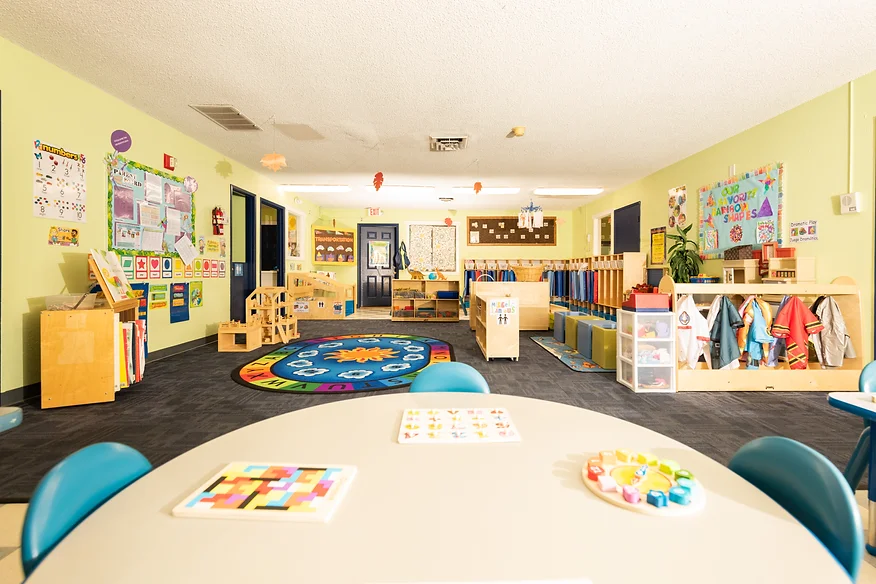
At our centers, we use a creative, play-based curriculum. We treat every location as a home away from home. Therefore, children feel safe enough to take risks.
Our pre-school and pre-kindergarten programs focus on whole-child growth. We support social competence and confident learners. You can explore our programs and learn more about our approach anytime.
What to Look for in a Seattle-Area Program
Choosing the right center feels overwhelming. However, a few key signs make the choice easier.
- Warm, responsive teachers who know each child.
- A play-based, developmentally appropriate curriculum.
- Clear daily routines and consistent expectations.
- Flexible scheduling for busy families.
- Locations near home in North Seattle, Bellevue, or Kirkland.
Ready to see a program in person? Schedule a tour at a Lil’ People’s World location near you. As a result, you can picture your child thriving there.
Frequently Asked Questions
When should I start building kindergarten confidence?
It is never too early to begin. Confidence grows through everyday play and routines. Therefore, start with small steps during the toddler and preschool years.
What if my child is shy?
Shyness is normal and very common. Offer gentle encouragement, not pressure. Meanwhile, small group settings help shy children warm up slowly.
How do I know my child is ready for kindergarten?
Look for independence, basic social skills, and emotional control. Additionally, watch for curiosity and a willingness to try. A quality preschool program supports all of these areas.
Can child care really help with kindergarten readiness?
Yes, high-quality care makes a real difference. Children practice social and academic skills daily. As a result, they build confidence in a supportive setting.
Do you serve families outside Seattle?
We welcome families across the greater Seattle area. Our locations serve North Seattle, Bellevue, and Kirkland communities. Many nearby Redmond families join us too.
Help Your Child Start Kindergarten Strong
Confidence opens the door to lifelong learning. With daily support, your child can feel ready and excited. Therefore, start building these skills today.
Lil’ People’s World has nurtured young children since 1993. Our caring teachers create joyful, play-based experiences every day. Contact the Lil’ People’s World team to learn more about our programs.
Want to see our warm, child-centric environment firsthand? Schedule a tour at a location near you. We would love to welcome your family.


