
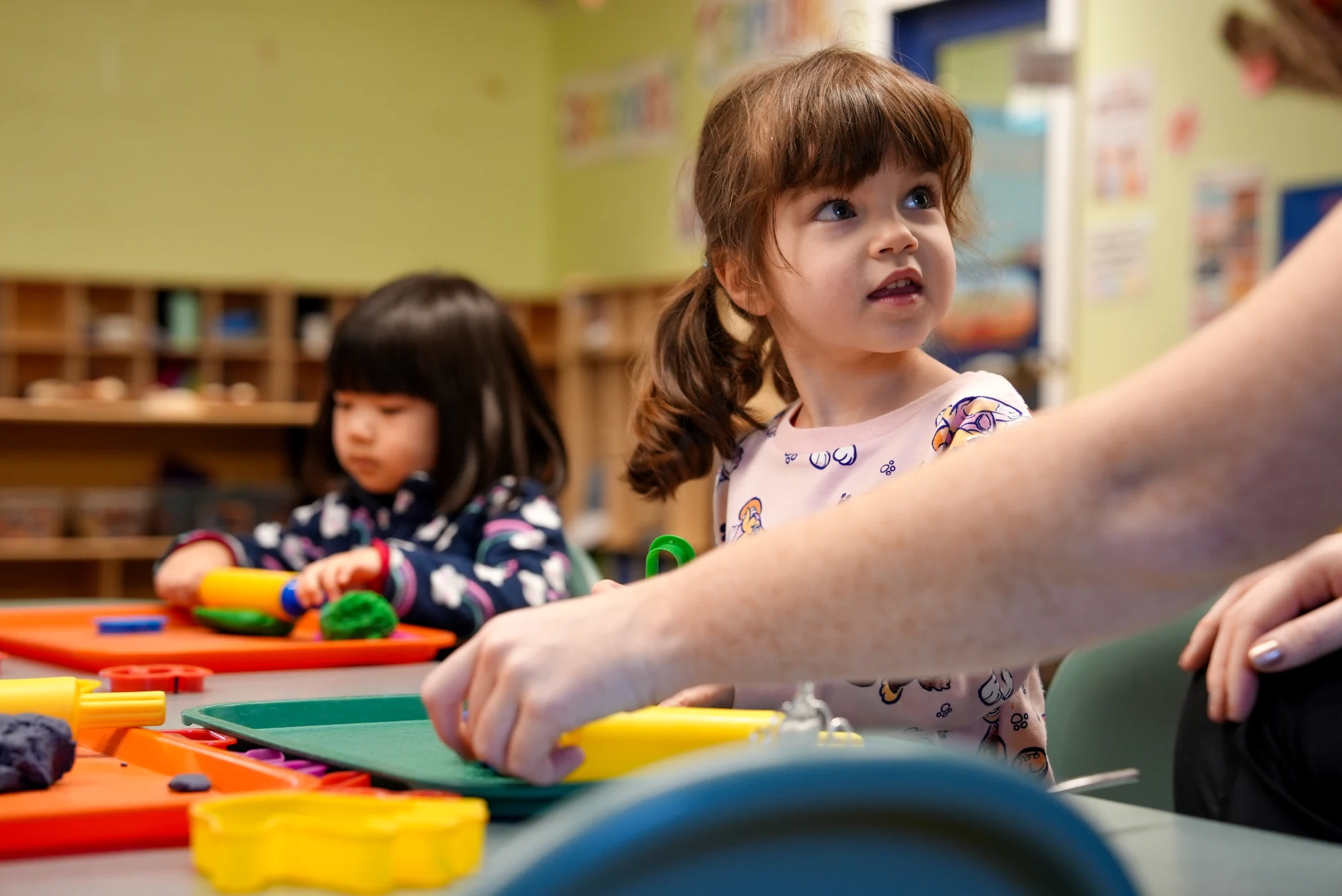
Choosing the right early learning program feels like a big decision. Many families in Kirkland want their children to grow up curious, confident, and connected to more than one language. A bilingual preschool can help make that happen in a warm, play-based setting.
In the South Rose Hill neighborhood, parents value nature, community, and strong schools. Because of this, dual language learning fits right in. It gives young children a head start while celebrating diversity.
At Lil’ People’s World, we have nurtured young children since 1993. Therefore, we understand what Seattle-area families need most. Let’s explore what bilingual early education looks like for your child.
What Is a Bilingual Preschool?
A bilingual preschool introduces children to two languages during the day. Teachers weave a second language into songs, stories, and play. As a result, children absorb new words naturally.
Young minds learn language quickly and joyfully. Moreover, they do it without pressure or drills. Instead, they hear and use both languages during everyday moments.
This approach fits our play-based philosophy perfectly. Because children learn through play, language becomes part of the fun. Meanwhile, they build social skills and confidence too.
How Dual Language Learning Works
Teachers repeat words, sing songs, and label objects in both languages. First, children listen. Next, they begin to respond. Then, they use new words on their own.
Additionally, teachers use gestures, pictures, and routines. These tools support understanding for every child. Therefore, even beginners feel included and successful.
Why Bilingual Learning Matters in Early Childhood
The early years are a golden window for language. Children’s brains are wired to learn. As a result, they pick up sounds and patterns with ease.
Research from organizations like the National Association for the Education of Young Children highlights the value of rich, language-filled environments. Because of this, dual language programs offer lasting benefits.
Bilingual learning also builds empathy and cultural awareness. Children learn to appreciate different families and traditions. Furthermore, they grow into flexible, open-minded thinkers.
Benefits Families Often Notice
- Stronger listening skills that carry into kindergarten
- Better problem-solving as children switch between languages
- Greater confidence in social settings
- Deeper cultural connection for multilingual families
Of course, every child grows at their own pace. However, a supportive setting makes a real difference. Therefore, the environment matters as much as the method.
Bilingual Preschool in South Rose Hill and Beyond
South Rose Hill is a friendly, green corner of Kirkland. Families here enjoy parks, trails, and tight-knit community life. As a result, a nurturing preschool fits the area’s values.
Our Kirkland location welcomes families from across the Eastside. Additionally, we serve children from Bellevue, Redmond, and North Seattle. Meanwhile, we keep each center small and homelike.
We treat every center as a child’s home away from home. Because of this, children feel safe to explore and learn. Furthermore, they build trusting bonds with caring teachers.
Serving the Greater Seattle Area
Seattle-area families lead busy lives. Therefore, we offer flexible scheduling to fit your needs. This helps working parents plan their days with ease.
With locations in North Seattle, Bellevue, and Kirkland, we stay close to home. Moreover, our Bellevue location offers a newly expanded infant and toddler program. As a result, families can grow with us over the years.
What to Look for in a Bilingual Preschool
Not every program uses the same approach. Therefore, it helps to know what to look for. Use these tips during your search.
Key Questions to Ask
- How is the second language used during the day?
- Are teachers warm, patient, and experienced?
- Does the curriculum focus on play and discovery?
- How does the program support beginners?
- What does a typical day look like?
First, visit in person if you can. Next, watch how teachers connect with children. Then, notice whether kids seem happy and engaged.
Also, ask about class size and daily routines. Smaller groups often mean more attention. Furthermore, consistent routines help children feel secure.
Signs of a Strong Program
Look for a warm, child-centric environment. Additionally, seek developmentally appropriate activities. These experiences build social competence and confident learners.
A great program balances structure and freedom. Therefore, children explore while teachers gently guide. As a result, learning feels natural and joyful.
How Play Supports Language Growth
Play is the heart of early learning. Because children play with purpose, they learn through doing. Meanwhile, language grows in every activity.
For example, block play teaches shapes and words. Pretend play builds stories and vocabulary. In addition, songs and rhymes strengthen memory and sound.
Our creative, play-based curriculum supports each child’s overall development. Therefore, language learning happens alongside social and emotional growth. Children thrive when they feel free to explore.
Simple Ways to Support Bilingual Learning at Home
- Read picture books in both languages
- Sing songs during car rides and bath time
- Label everyday objects together
- Celebrate cultural holidays and traditions
- Speak naturally and often, without pressure
Consistency matters more than perfection. Therefore, keep it playful and low-stress. Moreover, your enthusiasm inspires your child.
Programs for Every Stage
Children grow fast in the early years. Because of this, we offer programs for each stage. Every classroom matches a child’s age and needs.
Our programs include an infant curriculum and a waddler and toddler curriculum. Additionally, we offer preschool and pre-kindergarten programs. We also provide before and after school care.
This range helps families stay with us as children grow. Therefore, transitions feel smooth and familiar. Meanwhile, children keep learning in a place they love. You can explore your options anytime.
Frequently Asked Questions
At what age can my child start a bilingual preschool?
Children can benefit from an early start. However, it is never too late to begin. Young children adapt quickly to new languages.
Will bilingual learning confuse my child?
No, this is a common myth. In fact, children handle two languages well. Therefore, most kids sort them out naturally over time.
Do children need to speak both languages already?
Not at all. Beginners are always welcome. Teachers support every child, whatever their starting point.
How can I tour a Kirkland program?
Simply reach out to schedule a visit. Then, you can see our classrooms firsthand. Meanwhile, you can meet our caring teachers.
Do you offer flexible schedules?
Yes, we offer flexible scheduling for busy families. As a result, working parents find options that fit. This helps reduce daily stress.
Start Your Child’s Bilingual Journey
A bilingual preschool opens doors for your child. Moreover, it builds confidence, curiosity, and connection. In South Rose Hill and across Kirkland, families deserve a warm place to grow.
At Lil’ People’s World, we have supported young learners since 1993. Therefore, you can trust our experience and heart. We would love to welcome your family.
Ready to learn more? Contact the Lil’ People’s World team today. Then, schedule a tour to see our community in action.


