
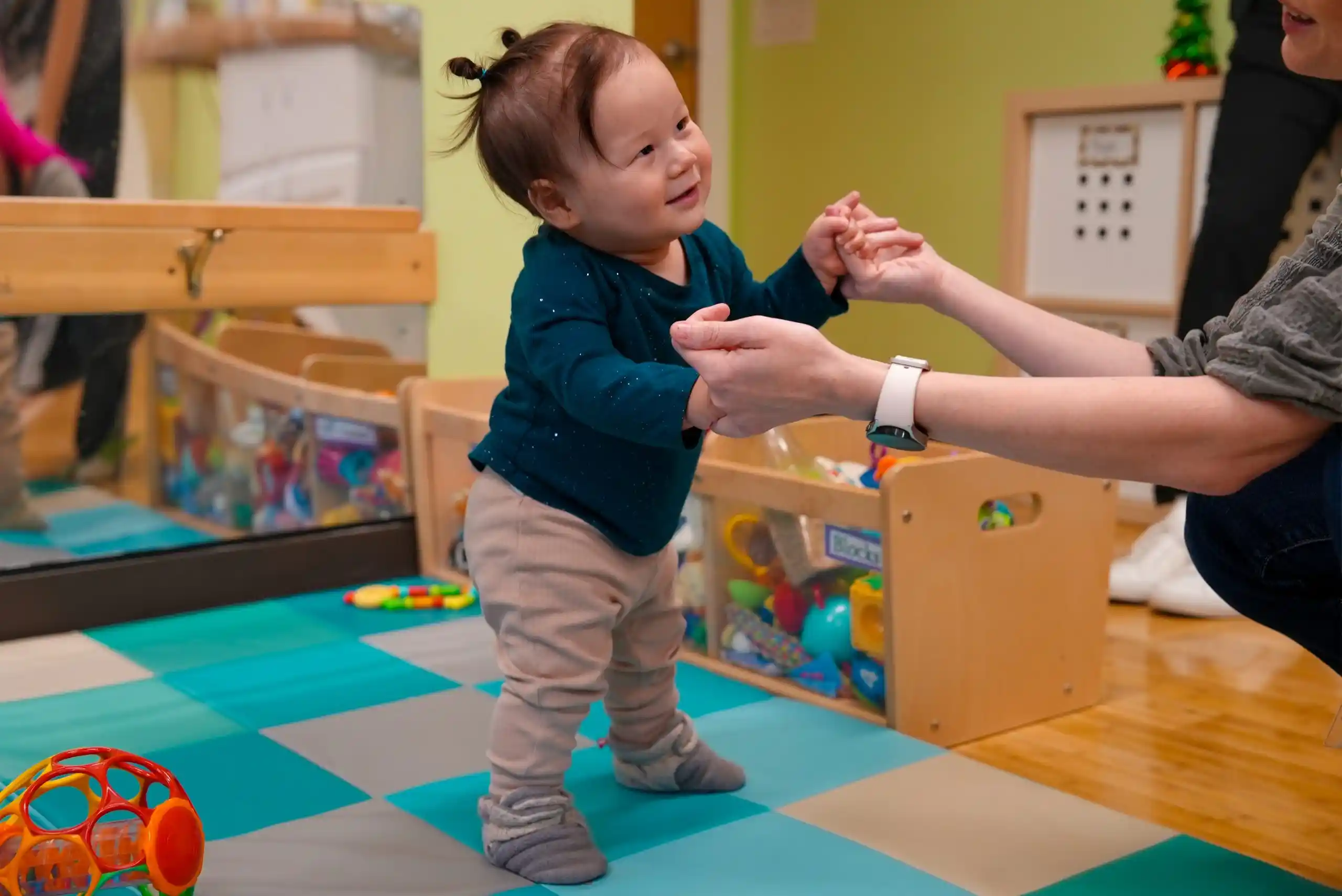
Choosing the right early learning program feels big. You want a place that is warm, safe, and full of joy. A play-based preschool offers all of that and more for young children in Seattle.
At Lil’ People’s World, we believe children learn best when they play. Play is not a break from learning. Instead, play is how children learn every single day.
Families in Maple Leaf and across North Seattle often ask what makes this approach special. Therefore, this guide breaks it down in simple, parent-friendly terms.
What Is a Play-Based Preschool?
A play-based preschool builds learning around guided, hands-on play. Children explore, ask questions, and solve problems. Meanwhile, caring teachers gently support their discoveries.
This approach looks different from strict, worksheet-heavy programs. Here, children learn through blocks, art, water play, and pretend games. As a result, learning feels natural and fun.
Play still follows a clear plan, however. Teachers design each activity with a purpose. For example, a simple sorting game builds early math skills.
Why Play Matters for Young Children
Play helps children grow in many ways at once. It supports thinking, language, and emotional health. Additionally, it builds strong social skills.
When children play together, they learn to share and take turns. They also practice patience and teamwork. Because of this, play prepares them for kindergarten and beyond.
Research from early childhood experts supports this idea. In fact, the National Association for the Education of Young Children explains the power of play in supporting healthy development.
Play-Based Learning in Maple Leaf and North Seattle
Maple Leaf is a friendly, family-centered neighborhood in North Seattle. Many parents here work busy schedules. Therefore, they need reliable, high-quality child care nearby.
Families across North Seattle, Bellevue, and Kirkland value local, trusted programs. A play-based preschool close to home makes daily drop-off easier. Moreover, it keeps children connected to their community.
Lil’ People’s World has served Washington families since 1993. We treat every center as a child’s home away from home. As a result, children feel safe, seen, and supported.
A Curriculum That Grows With Your Child
Children develop at their own pace. That is why our programs meet each age group where they are. We offer care from infancy through the preschool years.
Our programs include:
- Infant curriculum for our youngest learners
- Waddler and toddler curriculum for busy little movers
- Preschool and pre-kindergarten curriculum for growing minds
- Before and after school care for older children
In addition, our Bellevue location offers a newly expanded infant and toddler program. Families in nearby Redmond and Kirkland can explore these options too.
The Benefits of a Play-Based Preschool
Parents want to know what their child will gain. A play-based preschool offers lasting benefits. These skills support success in school and in life.
Social and Emotional Growth
Children learn to name and manage their feelings. They also build empathy for others. Because of this, they form stronger friendships.
Group play teaches cooperation and problem-solving. For example, building a tall block tower requires teamwork. Meanwhile, teachers guide gentle conflict resolution.
Early Academic Skills
Play quietly builds strong academic foundations. Counting toys teaches early math. Storytime builds language and listening skills.
Children also explore letters, shapes, and colors through hands-on games. As a result, they arrive at kindergarten curious and confident. Furthermore, they develop a real love of learning.
Confidence and Independence
Play gives children choices every day. They pick activities and lead their own discoveries. Therefore, they gain confidence and independence.
Small wins build big self-esteem. When a child completes a puzzle, they feel proud. Over time, these moments shape a confident learner.
What to Look for in a Seattle Preschool
Not every program fits every family. So it helps to know what matters most. Keep these simple tips in mind during your search.
First, look for warm, caring teachers. Next, notice how children spend their day. A good program balances play, rest, and routine.
Also, consider these practical factors:
- Location: Choose a center near home or work
- Flexible scheduling: Look for options that fit your week
- Clean, safe spaces: Check both indoor and outdoor areas
- Developmentally appropriate activities: Ask how learning happens
- Open communication: Teachers should share daily updates
Finally, trust your instincts during a visit. You know your child best. If the space feels warm and joyful, that is a great sign.
Questions to Ask During a Tour
A tour reveals a lot about a program. Come prepared with a few key questions. This helps you compare centers fairly.
For example, ask how teachers support quiet or shy children. Also, ask about daily routines and meal plans. Then ask how the program handles separation anxiety.
You can learn more about our programs and locations before you visit. Afterward, schedule a tour to see our classrooms in person.
Supporting Play-Based Learning at Home
Learning does not stop at pickup time. Parents can extend play-based learning at home. Best of all, it does not require fancy supplies.
Simple activities make a big difference. For example, cooking together teaches counting and measuring. Meanwhile, outdoor walks spark curiosity about nature.
Try these easy ideas at home:
- Read books together every day
- Let your child help with simple chores
- Build forts with blankets and pillows
- Encourage pretend play and storytelling
- Offer open-ended toys like blocks and crayons
Above all, follow your child’s interests. When children lead, they stay engaged. As a result, learning feels effortless and fun.
Frequently Asked Questions
What age is right for preschool?
Most children start preschool between ages three and five. However, every child is different. Our programs also serve infants and toddlers, so families can start earlier.
Does play-based learning prepare kids for kindergarten?
Yes, it prepares children very well. Play builds academic, social, and emotional skills together. Therefore, children enter kindergarten curious and confident.
How is a play-based preschool different from traditional preschool?
Traditional programs often rely on worksheets and drills. A play-based preschool teaches through hands-on play instead. Still, both aim to prepare children for school.
Do you offer flexible scheduling?
Yes, we offer flexible scheduling for busy families. We understand that every family’s needs differ. So we work to find a schedule that fits your week.
Which Seattle-area locations do you serve?
We serve families across North Seattle, Bellevue, and Kirkland. Families in nearby communities like Maple Leaf and Redmond visit us too. Each center feels like a home away from home.
Find the Right Play-Based Preschool for Your Family
Your child deserves a warm, joyful place to grow. A play-based preschool builds confident, curious learners. Meanwhile, it gives you peace of mind.
Lil’ People’s World has nurtured young children since 1993. We proudly serve families in Maple Leaf and across the Seattle area. Therefore, we are ready to welcome your child.
Ready to take the next step? Contact the Lil’ People’s World team to learn more. You can also schedule a tour and explore your options today.


