
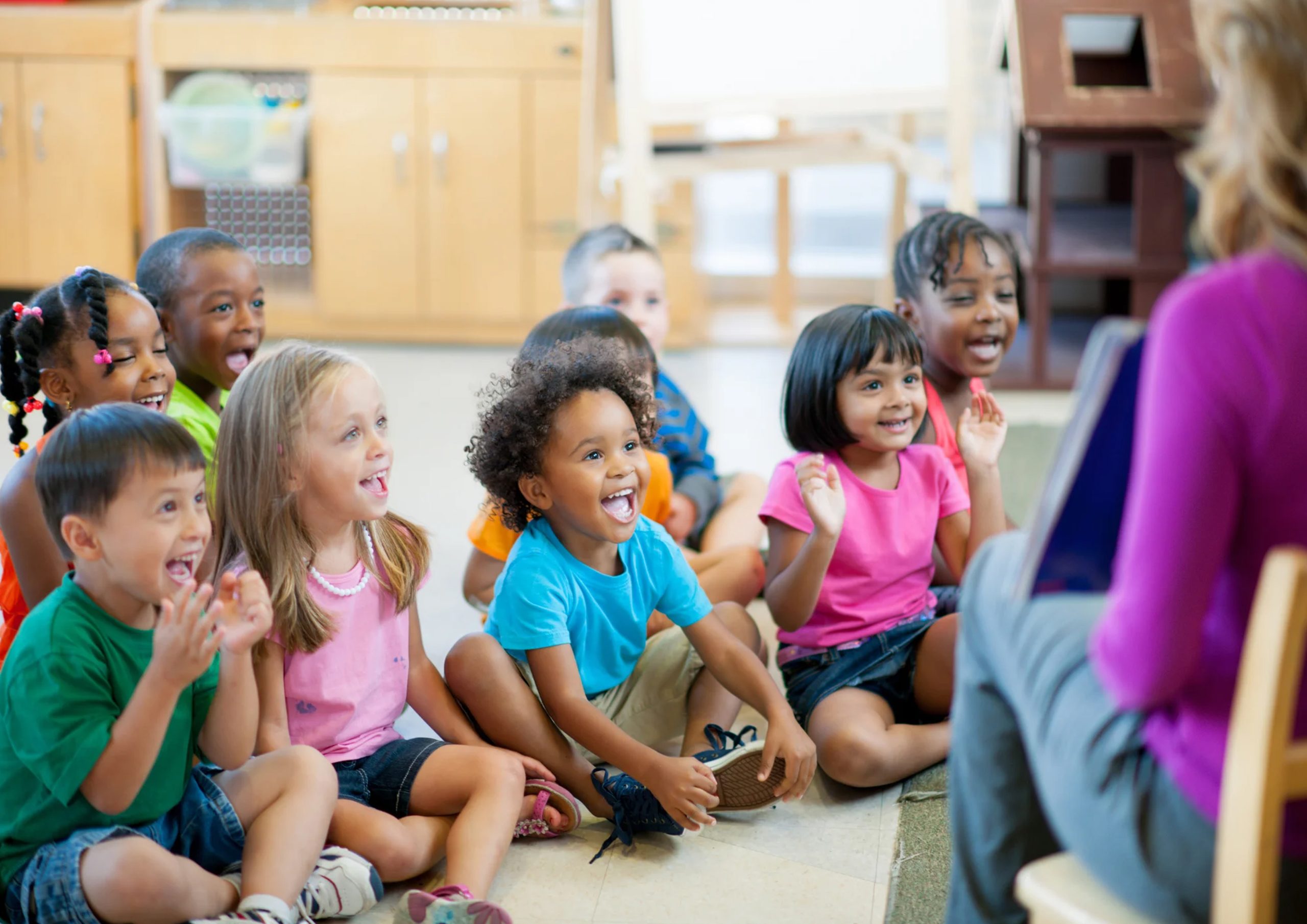
Choosing the right learning environment can shape how children feel about school, friendships, and themselves. For families in Crossroads, Bellevue, Kirkland, North Seattle, and nearby Eastside communities, the best environment for kids should feel safe, nurturing, clean, engaging, and designed around each child’s stage of development.
At Lil’ People’s World, children grow through caring relationships, low teacher-to-child ratios, consistent family communication, and a research-based Creative Curriculum. Since 1993, our family-owned early learning centers have supported children from infant care through toddler programs, preschool, pre-K, and before and after school care.
What Makes a Great Learning Environment?
A strong early learning environment does more than keep children busy. Instead, it helps them feel secure enough to explore, ask questions, solve problems, and build confidence.
Parents should look for classrooms that offer:
- Safe, clean, and age-appropriate spaces
- Warm and responsive teachers
- Low teacher-to-child ratios
- Hands-on learning materials
- Predictable daily routines
- Opportunities for play and discovery
- Social-emotional support
- Clear communication with families
- A curriculum that supports whole-child development
In addition, the best learning environments balance structure with creativity. Children need routines, but they also need freedom to explore their interests.
Safe and Clean Classrooms
Safety is the foundation of every strong childcare or preschool program. When children feel safe, they are more willing to participate, make friends, and try new activities.
During a tour in Crossroads, parents should notice whether classrooms are clean, organized, and well supervised. Secure check-in procedures, age-appropriate toys, safe play areas, and clear health policies all matter.
At Lil’ People’s World, children learn in welcoming classrooms designed to support comfort, movement, creativity, and healthy development.
Nurturing Teachers Who Understand Children
Teachers are one of the most important parts of a child’s learning environment. Experienced educators know how to guide behavior, encourage language, support emotions, and create meaningful learning moments throughout the day.
Because every child develops differently, low teacher-to-child ratios are especially valuable. With smaller groups, teachers can notice each child’s strengths, comfort needs, friendships, and learning progress.
As a result, children feel seen, supported, and confident.
Infant Learning Environments
For babies, the best learning environment is calm, loving, and responsive. Infant care in Crossroads should include safe spaces for movement, gentle routines, sensory exploration, and close communication with families.
Infants learn through:
- Warm caregiver interactions
- Tummy time
- Music and soothing sounds
- Simple books and language
- Safe floor play
- Feeding, diapering, and sleep routines
Most importantly, babies need consistent caregivers who respond with patience and care.
Toddler Learning Environments
Toddlers are active explorers. Therefore, a strong toddler program should provide safe spaces for movement, hands-on materials, and patient guidance.
A quality toddler classroom supports:
- Language development
- Motor skills
- Independence
- Early problem-solving
- Sharing and turn-taking
- Emotional awareness
- Creative play
In addition, toddlers benefit from predictable routines. When they know what comes next, they feel more secure and ready to learn.
Preschool and Pre-K Learning Environments
Preschool and pre-K children need classrooms that prepare them for kindergarten while still honoring the importance of play. The best preschool environments encourage curiosity, creativity, friendship, and early academic growth.
A strong preschool or pre-K classroom includes:
- Early literacy and storytelling
- Early math and pattern activities
- Art, music, and movement
- Outdoor play
- Science exploration
- Dramatic play
- Group conversations
- Social-emotional learning
At Lil’ People’s World, the Creative Curriculum helps children learn through meaningful, age-appropriate experiences. Consequently, children build school readiness skills while staying engaged and excited.
Outdoor Play and Active Learning
Children need movement to support healthy development. Outdoor play helps build strength, coordination, confidence, and social skills.
In a strong early learning center, outdoor time is not just a break from learning. Instead, it is part of learning. Children practice cooperation, observation, problem-solving, and imagination while running, climbing, exploring, and playing with peers.
For families in Crossroads and the Eastside, a program that values outdoor play can help children stay active and balanced throughout the day.
Social-Emotional Support
A great learning environment helps children understand feelings, build friendships, and solve problems with support. Social-emotional growth is essential for school readiness and long-term confidence.
Teachers should help children:
- Name emotions
- Practice sharing
- Take turns
- Use words to express needs
- Recover from frustration
- Build empathy
- Participate in group routines
At Lil’ People’s World, nurturing educators use positive guidance to help children feel safe, respected, and capable.
Communication With Families
Parents should feel connected to their child’s learning environment. Because of this, strong communication is a key sign of quality childcare.
Look for programs that offer daily updates, teacher conversations, progress observations, ongoing assessment, and family partnerships. When families and teachers work together, children receive more consistent support at home and in the classroom.
Before and After School Learning Environments
School-age children also need safe, engaging spaces before and after the school day. A strong before and after school care program gives children time to relax, build friendships, enjoy enrichment, and stay active.
Additionally, summer care and enrichment programs can help children continue learning while families maintain dependable routines.
What Sets Lil’ People’s World Apart
Since 1993, Lil’ People’s World has been family-owned and locally trusted by families across North Seattle, Bellevue, Kirkland, Crossroads, and nearby Eastside communities.
Families choose Lil’ People’s World because we offer:
- Licensed and insured childcare programs
- Safe, clean, and welcoming classrooms
- Experienced and nurturing educators
- Low teacher-to-child ratios
- Research-based Creative Curriculum
- Infant care, toddler programs, preschool, pre-K, and school-age care
- Before and after school care
- Summer and enrichment options
- Daily updates and family communication
- Individualized learning plans
- Ongoing assessment and family partnerships
- Transparent policies
- Easy in-person or virtual tour scheduling
Above all, our goal is to help children feel safe, valued, curious, and ready to learn.
FAQs About Learning Environments in Crossroads
What is the best learning environment for young children?
The best environment is safe, clean, nurturing, playful, and developmentally appropriate, with experienced teachers and strong family communication.
Why is play important in early learning?
Play helps children build language, creativity, problem-solving, motor skills, friendships, and emotional confidence.
What should parents look for during a childcare tour?
Parents should look for clean classrooms, warm teachers, safe routines, low ratios, engaging materials, and clear communication.
Does Lil’ People’s World offer early learning near Crossroads?
Yes. Lil’ People’s World offers infant care, toddler programs, preschool, pre-K, before and after school care, summer care, and enrichment for families in Crossroads and surrounding communities.
Helping Kids Thrive in Crossroads
The best learning environments help children feel safe, supported, and excited to discover the world around them. With nurturing teachers, clean classrooms, low ratios, family communication, and a research-based Creative Curriculum, Lil’ People’s World supports children at every stage of growth.
For families searching for childcare in Crossroads, preschool in Bellevue, infant care near Kirkland, pre-K programs, or a trusted early learning center serving the Eastside, Lil’ People’s World is here to help your child grow with confidence.


