
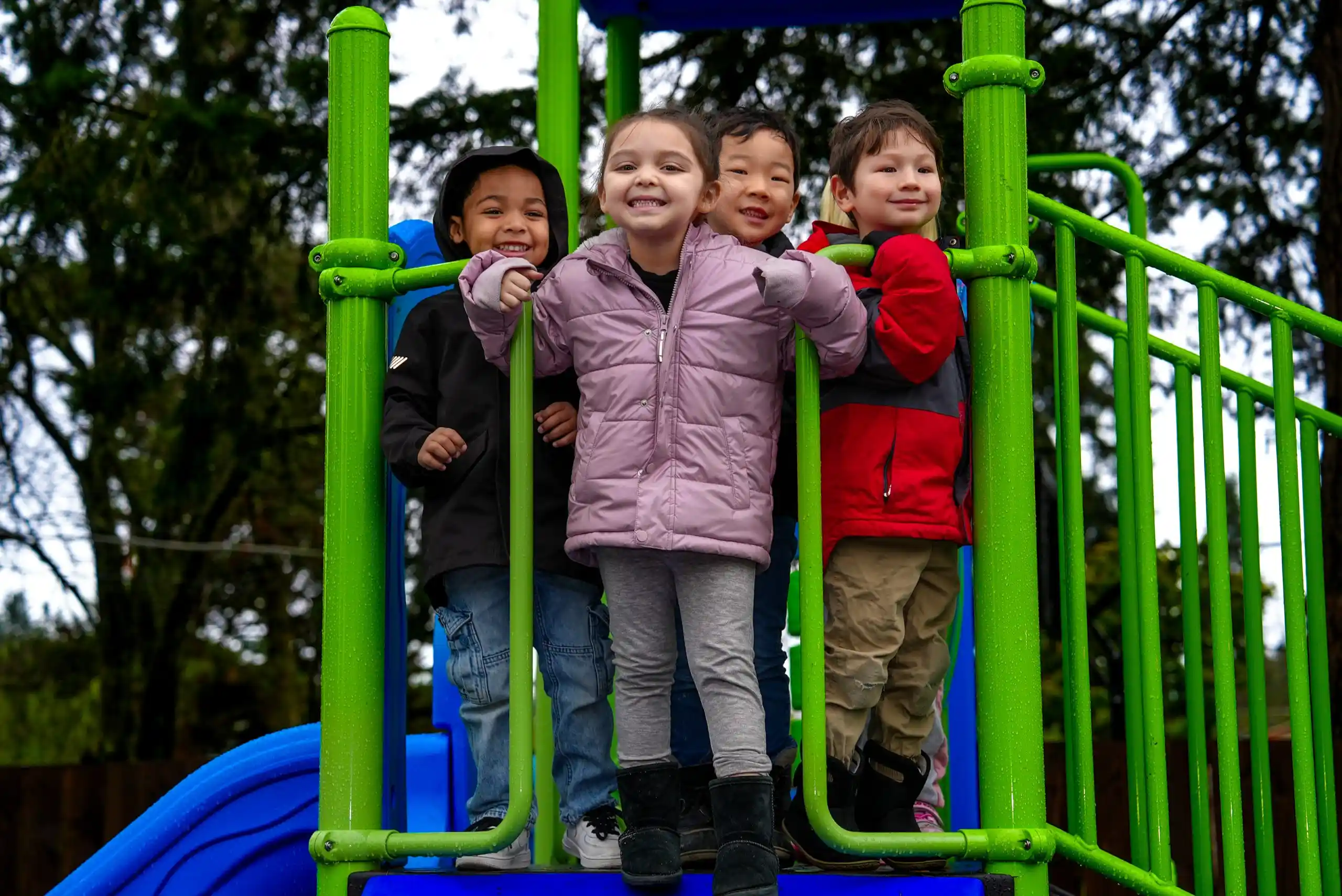
Starting kindergarten is a big milestone for every child and family. A strong kindergarten readiness program helps children feel confident, curious, and ready to thrive. In South Bellevue, families want a warm place where their little ones can grow.
At Lil’ People’s World, we understand this transition well. Because we have served Seattle-area families since 1993, we know what young learners need. Therefore, we focus on the whole child, not just academic skills.
In this guide, we explain what kindergarten readiness truly means. Additionally, we share practical tips and answer common questions from parents. Let’s get started.
What Is a Kindergarten Readiness Program?
A kindergarten readiness program prepares children for their first year of formal school. However, it does much more than teach letters and numbers. It builds confidence, independence, and social skills too.
These programs support children roughly ages four to five. Meanwhile, they blend structured learning with plenty of playtime. As a result, children develop naturally at their own pace.
Why Readiness Goes Beyond Academics
Many parents think readiness means reading early. On the other hand, teachers know social and emotional growth matter more. Children must learn to share, listen, and follow simple routines.
For example, a ready child can wait for a turn calmly. Additionally, they can express feelings using words. Because of this, they adjust to a classroom more smoothly.
Key Skills a Readiness Program Builds
Strong programs nurture several skill areas at once. Furthermore, they weave these skills into fun, daily activities. Here are the main areas we focus on.
- Social skills: Sharing, cooperating, and making friends.
- Emotional growth: Managing feelings and building resilience.
- Early literacy: Recognizing letters, sounds, and rhymes.
- Early math: Counting, sorting, and spotting patterns.
- Fine motor skills: Holding pencils, cutting, and drawing.
- Independence: Dressing, cleaning up, and managing tasks.
Each skill supports the next one naturally. Therefore, children build a strong foundation for kindergarten success.
Learning Through Play
Young children learn best when they play. Because of this, we use a creative, play-based curriculum every day. Play makes lessons feel joyful, not stressful.
For example, a simple block activity teaches counting and balance. Meanwhile, pretend play builds language and teamwork. As a result, children absorb skills without even realizing it.
Kindergarten Readiness in the Seattle Area
Families across the Seattle area value quality early education. In South Bellevue, parents often juggle busy work schedules. Therefore, they need flexible, reliable child care options nearby.
Our Bellevue location serves families throughout the Eastside. Additionally, we welcome children from Kirkland, Redmond, and North Seattle. Each center feels like a child’s home away from home.
Why Location Matters for Families
A convenient location reduces daily stress for parents. Moreover, it gives children a stable, familiar routine. Consistency helps young learners feel safe and secure.
Because Bellevue sits close to major employers, timing matters. However, our flexible scheduling supports different family needs. As a result, drop-off and pickup feel easier for everyone.
How to Choose the Right Program
Choosing a program can feel overwhelming at first. However, a few clear questions make the decision simpler. Here are helpful things to look for.
- Caring teachers: Look for warm, experienced educators.
- Play-based learning: Choose developmentally appropriate activities.
- Small routines: Predictable schedules build confidence.
- Clean, safe space: Safety should always come first.
- Open communication: Teachers should share daily updates.
Additionally, trust your instincts during a visit. If the space feels warm and joyful, that matters. You can learn more about our approach on our early learning center website.
Questions to Ask During a Tour
A tour reveals a lot about a program. Therefore, come prepared with a few key questions. This helps you compare options confidently.
- How do you support the transition to kindergarten?
- What does a typical day look like?
- How do teachers handle emotions and conflicts?
- How do you communicate with parents?
Because every family is different, ask what matters most to you. Meanwhile, watch how children interact with their teachers.
Simple Ways to Support Readiness at Home
Parents play a powerful role in readiness. Furthermore, small daily habits make a big difference. You do not need fancy tools or long lessons.
First, read together every single day. Next, talk about the story and ask questions. Then, let your child turn the pages independently.
Everyday Learning Moments
Learning happens during ordinary routines. For example, cooking teaches counting and measuring. Additionally, grocery trips build vocabulary and patience.
Also, encourage your child to solve small problems. Because of this, they build confidence and independence. Praise effort more than perfect results.
The National Association for the Education of Young Children offers helpful family tips too. Their guidance supports readiness at home and school. Therefore, it makes a useful resource for parents.
Building Routines That Help
Consistent routines calm young children. Moreover, they teach time awareness and responsibility. A steady bedtime supports focus and mood.
Try creating a simple morning routine together. Then, let your child help with easy tasks. As a result, they feel capable and proud.
What Makes Our Approach Different
Lil’ People’s World has nurtured children since 1993. Because we are locally and family-owned, we care deeply. Every center feels warm, safe, and welcoming.
Our teachers create developmentally appropriate experiences daily. Additionally, they build social competence and confident learners. We treat each child as a unique individual.
We offer programs for many ages and stages. For example, our Bellevue location features an expanded infant and toddler program. Meanwhile, our pre-kindergarten curriculum readies children for school.
Frequently Asked Questions
When should my child start a kindergarten readiness program?
Most children benefit around ages four to five. However, every child develops differently. Therefore, we assess readiness individually and support each pace.
Does my child need to read before kindergarten?
No, early reading is not required. Instead, focus on social, emotional, and language skills. These build a strong foundation for later reading.
How does play prepare children for school?
Play develops thinking, language, and cooperation. For example, building and pretending teach problem-solving. As a result, children enter kindergarten curious and confident.
Do you serve families outside South Bellevue?
Yes, we welcome families across the Seattle area. Additionally, we serve Kirkland, Redmond, and North Seattle communities. Our flexible scheduling supports busy families.
How can I tell if my child is ready?
Look for independence, curiosity, and social ease. Meanwhile, notice how they follow simple routines. Our teachers can help you assess readiness too.
Give Your Child a Confident Start
A strong start shapes your child’s love of learning. Therefore, choosing the right program matters greatly. In South Bellevue, families trust our caring, play-based approach.
Ready to see our classrooms in person? Schedule a tour and meet our friendly teachers. Additionally, ask any questions about your child’s readiness.
Contact the Lil’ People’s World team to learn more today. Explore your options and find the perfect fit. We would love to welcome your family soon.


