
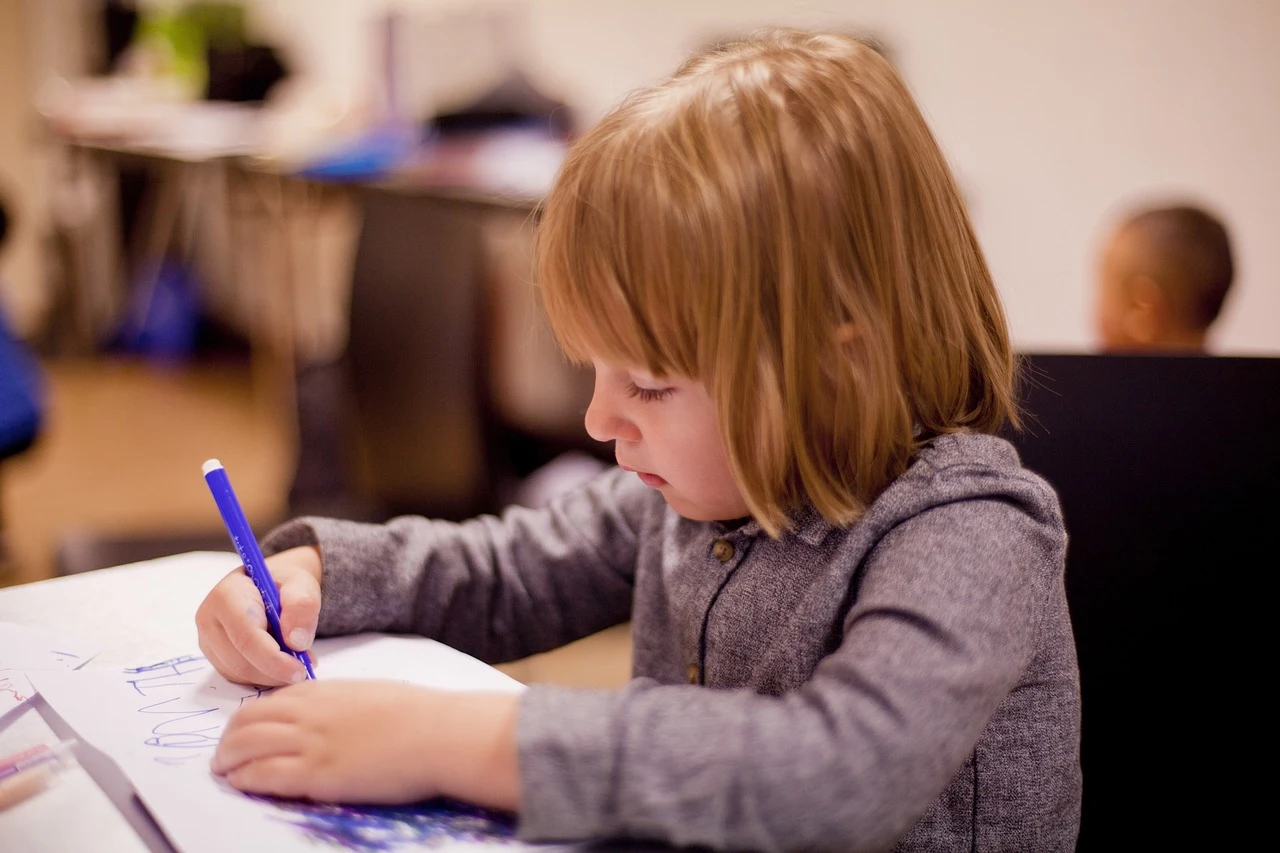
Starting kindergarten is a big milestone. Many Seattle-area families wonder how to prepare their little ones. Strong preschool kindergarten prep makes this transition smoother and far less stressful.
Preschool builds the foundation children need to succeed. It nurtures skills that go beyond letters and numbers. As a result, children walk into kindergarten feeling capable and confident.
At Lil’ People’s World, we have guided young learners since 1993. Therefore, we understand what helps children thrive. Below, we explain why preschool matters so much for kindergarten readiness.
What Kindergarten Readiness Really Means
Kindergarten readiness is more than knowing the alphabet. It involves the whole child. Therefore, preschool focuses on many areas at once.
Children need social, emotional, and academic skills. They also need self-help abilities and confidence. Preschool weaves all of these together through everyday play.
Skills That Matter Most
Teachers across Seattle look for several key skills. These skills help children adjust quickly. For example, kindergarten teachers value:
- Following simple directions independently
- Sharing and taking turns with peers
- Managing big emotions calmly
- Recognizing letters, numbers, and shapes
- Holding crayons and scissors correctly
Preschool builds each of these gently over time. As a result, children feel ready on day one. Moreover, they feel proud of what they can do.
How Play-Based Learning Prepares Children
Young children learn best through play. Because of this, our curriculum is play-based. Meanwhile, children gain real academic and social skills.
Play looks simple, but it teaches a great deal. For example, building blocks introduce early math concepts. Pretend play also builds language and problem-solving skills.
Learning Without Pressure
Children explore freely in a play-based classroom. Therefore, learning feels joyful, not stressful. This positive mindset carries into kindergarten and beyond.
Our caring teachers guide each activity with intention. They create developmentally appropriate experiences daily. As a result, children grow at a comfortable pace.
Families across North Seattle, Bellevue, and Kirkland value this approach. Furthermore, they notice real growth at home. Children begin to share, listen, and explain their ideas.
Building Social and Emotional Confidence
Kindergarten is a social world. Children interact with new peers and teachers daily. Therefore, social readiness matters as much as academics.
Preschool gives children daily practice with friendship. They learn to share, wait, and cooperate. Meanwhile, they build empathy and kindness.
Managing Feelings the Healthy Way
Big feelings are normal for young children. However, kindergarten expects some emotional control. Preschool teaches healthy ways to cope.
For example, children learn to ask for help calmly. They also learn to take a deep breath when upset. As a result, they handle classroom challenges with confidence.
This emotional foundation supports lifelong learning. According to the Centers for Disease Control and Prevention child development resources, early social-emotional skills strongly shape future success. Therefore, preschool offers lasting benefits.
Strengthening Early Academic Skills
Preschool introduces academics in playful ways. Children explore letters, sounds, and numbers daily. However, the pressure stays low and the joy stays high.
Early literacy starts with stories and songs. Children hear new words and rhymes often. As a result, their vocabulary grows quickly.
Early Math and Thinking Skills
Math appears throughout the preschool day. For example, children count snacks and sort toys. They also compare sizes and patterns.
These small moments build big thinking skills. Furthermore, they prepare children for kindergarten math. Children arrive ready to learn more.
Fine motor skills also develop through hands-on play. Children cut, draw, and string beads. Therefore, they build the hand strength needed for writing.
Creating Independence and Routine
Kindergarten expects more independence. Children manage their own belongings and tasks. Preschool helps them practice these skills early.
Daily routines teach children what to expect. For example, they hang up coats and wash hands. As a result, they feel secure and capable.
Why Routine Reduces Anxiety
Predictable routines comfort young children. They know what comes next each day. Therefore, transitions feel easier and calmer.
This structure mirrors a kindergarten classroom. Meanwhile, children build confidence in following along. As a result, the first weeks of school feel familiar.
Our Seattle-area centers treat every classroom as a home away from home. Families in Redmond and Kirkland appreciate this warmth. Moreover, children feel safe enough to explore boldly.
How Seattle-Area Families Can Support Readiness at Home
Preschool and home work best together. Therefore, parents play a powerful role. A few simple habits make a big difference.
You do not need fancy tools or workbooks. Instead, focus on everyday moments. For example, talk, read, and play together often.
Simple Tips for Busy Families
Try these easy ideas at home:
- Read together every single day
- Let your child make small choices
- Practice self-help skills like zipping coats
- Name feelings during calm moments
- Keep consistent bedtime routines
These habits support what preschool teaches. Additionally, they strengthen your bond with your child. As a result, your child feels supported everywhere.
Want more guidance for your family? You can explore your options with our early learning programs today. Our team is always happy to help.
Choosing the Right Preschool Program
Not every preschool feels the same. Therefore, families should visit and ask questions. The right fit makes all the difference.
Look for warm teachers and engaged children. Also notice the daily schedule and classroom feel. A play-based, child-centric approach supports strong growth.
What to Look For During a Tour
During a visit, watch how children interact. Are they happy and busy? Furthermore, do teachers speak kindly and patiently?
Ask about the curriculum and flexible scheduling. Families in Bellevue and North Seattle often need options. Our centers offer flexible schedules to fit busy lives.
We also offer programs for every stage. These include infant, toddler, preschool, and before and after school care. Therefore, your child can grow with us for years.
Frequently Asked Questions
When should my child start preschool?
Most children begin preschool around age three. However, every child is different. Therefore, readiness matters more than age alone.
How does preschool help with kindergarten prep?
Strong preschool kindergarten prep builds social, emotional, and academic skills. As a result, children adjust to kindergarten more easily. They also feel confident and prepared.
Will play-based learning teach real skills?
Yes, play teaches powerful skills. For example, children learn math, language, and problem-solving through play. Meanwhile, they stay joyful and engaged.
Do you serve families outside Seattle?
Yes, we welcome families across the region. We have locations in North Seattle, Bellevue, and Kirkland. Families from Redmond also join our programs.
How can I learn more about your programs?
You can contact our friendly team anytime. Additionally, you can schedule a tour to see our classrooms. We would love to meet your family.
Give Your Child a Confident Start
Preschool sets the stage for kindergarten success. It builds confidence, friendship, and a love of learning. Therefore, the benefits last for years.
At Lil’ People’s World, we nurture each child with care. Our play-based programs support the whole child. Meanwhile, our warm teachers make every day joyful.
Ready to take the next step? Contact the Lil’ People’s World team to learn more. Schedule a tour today and see why families across the Seattle area trust us.


